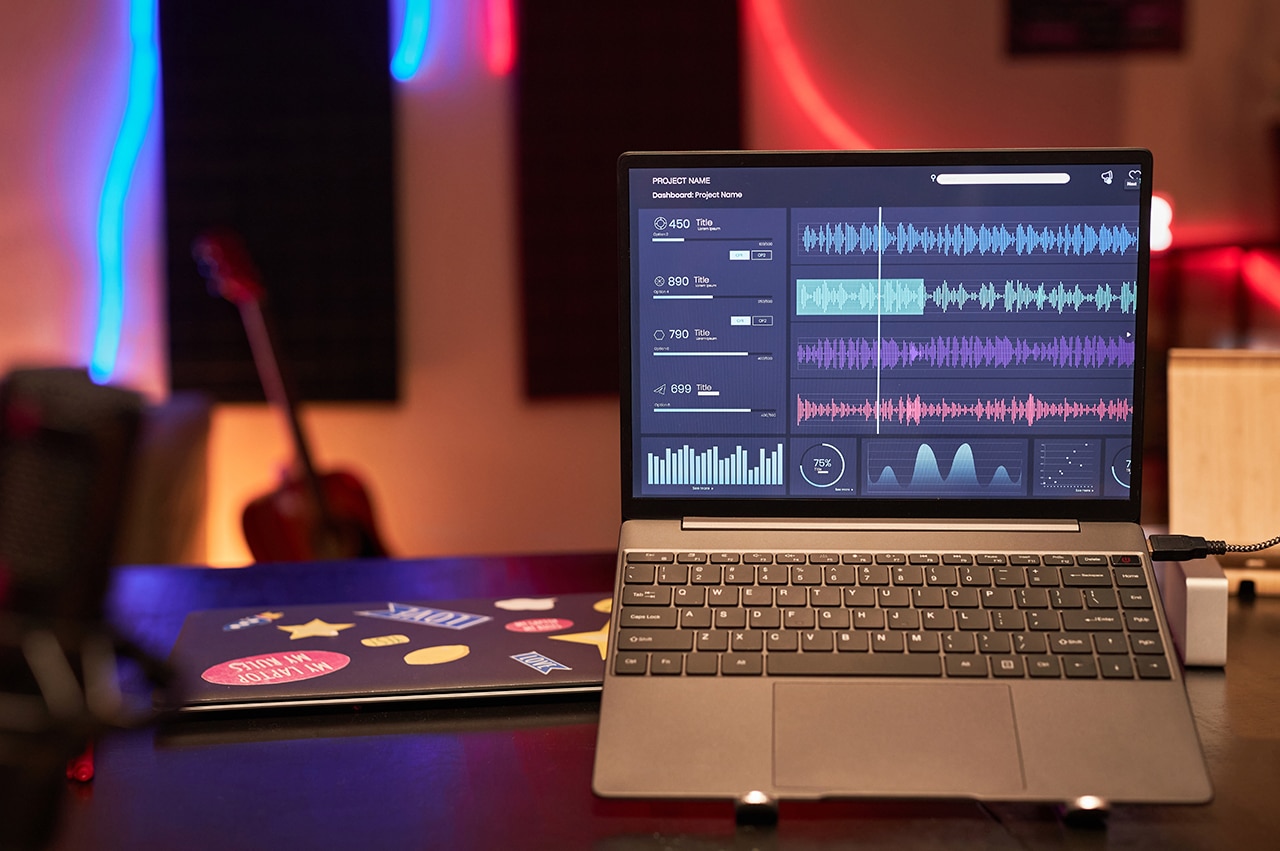

In today’s creative world, music production software has become the backbone of modern sound creation. Whether you’re producing for streaming platforms, video content, advertising, or independent releases, the software you pick shapes your workflow, your efficiency, and the identity of your sound. As the creator economy expands, many producers, content creators, and media teams – including those working with companies like O2 Media – rely on high-performance digital audio workstations (DAWs) to deliver consistent, high-quality audio across different formats. When searching for music production software top performers, it’s essential to look beyond marketing claims and focus on real-world usability.
Table of Contents
ToggleToo many options, not enough clarity
Producers today face a common challenge: navigating endless lists of DAWs, plugins, and features. Every platform promises the same thing: better sound, easier workflow, more creativity. But not every software fits every producer, not all tools offer the same scalability, and many beginners waste months learning software that doesn’t match their goals. What starts as excitement often turns into confusion, and confusion kills productivity. You need software that grows with you – one that gives you clean mixing and mastering options, flexible editing tools, high-quality virtual instruments, and a smooth workflow. Most importantly, you need tools that don’t get in your way. Identifying music production software top solutions helps cut through the noise and focus on what actually works.
Top music production software used by professionals
1. Ableton Live – Loved by electronic and live-performance creators. Fast workflow, clean interface, powerful MIDI tools.
2. FL Studio – A favorite for beginners and professionals alike. Pattern-based sequencing makes beatmaking effortless.
3. Logic Pro – Apple’s flagship DAW. Rich instruments, premium effects, and a smooth user experience.
4. Pro Tools – The industry standard for recording studios. Ideal for complex audio projects and high-end mixing.
5. Studio One – A rising star with an intuitive drag-and-drop workflow. Perfect for creators who want speed without sacrificing control.
These platforms work because they’re built with producers in mind. They help you turn ideas into polished tracks with fewer headaches and more creative freedom. Each of these represents music production software top professionals trust to deliver consistent results.
What switching to professional software actually looks like
A new producer starts with free tools and spends hours fixing basic issues. After switching to a professional DAW like Logic or FL Studio, the workflow becomes smoother, sound quality improves instantly, mixing takes less time, and creativity flows without interruptions. Within weeks, more tracks are finished, feedback improves, and real progress is shown. It’s not magic – it’s the difference the right software makes. Making the switch to music production software top experts recommend, is often the turning point for serious creators.
Tips for choosing your DAW
Pick a tool that fits your genre and style. Check tutorial availability – good training saves months. Consider long-term growth, not just beginner comfort. Make sure it works smoothly with your equipment. Start simple, then expand with plugins as you grow. The goal isn’t to collect tools – it’s to build a system that supports your craft. By focusing on music production software top of your category, you ensure your setup scales with your ambitions.
Ready to elevate your sound?
Choosing the right music production software is the first step toward professional-quality audio. At O2 Media, we help creators refine their workflow and build production setups that match their goals. Reach out today – 01022205154.
FAQs
1. What is the best music production software for beginners?
FL Studio and Logic Pro are excellent for beginners due to their intuitive interfaces, extensive tutorial libraries, and smooth learning curves.
2. Can I produce professional-quality audio with free software?
While free software is a good starting point, professional DAWs offer advanced mixing, mastering, and stability features that make it easier to achieve consistent, high-quality results.
3. Which DAW is best for electronic music and live performances?
Ableton Live is widely considered the top choice for electronic music production and live performance because of its fast workflow and powerful session view.
4. Do I need to buy additional plugins if I use a professional DAW?
Not immediately; most professional DAWs come with high-quality built-in instruments and effects that are sufficient for full production until you need specialized sounds.
5. How do I know which DAW is right for my workflow?
Consider your primary genre, whether you focus on recording or beatmaking, and test trial versions to see which interface feels most intuitive for your creative process