
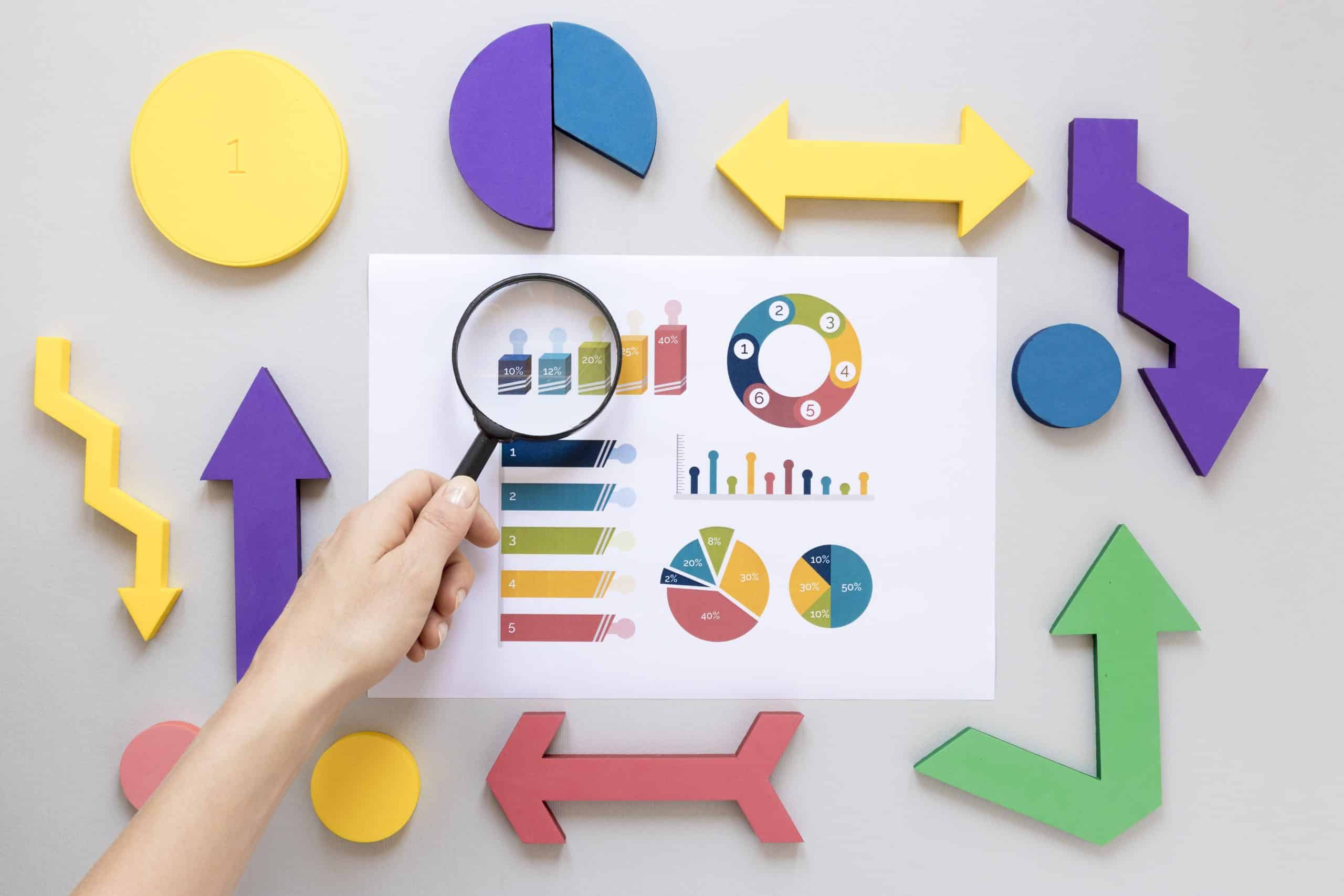

Marketing today is no longer about activity.
It’s about outcomes.
Clicks, impressions, and reach may look good on reports. But if they don’t move revenue, pipeline, or brand equity, they’re just noise. That’s why measurable results marketing has become the standard for businesses that want growth they can actually track, explain, and scale.
At O2 Media Group, we believe marketing should answer one simple question: What did this do for the business?
The problem with “busy” marketing
On the surface, many companies appear active. Campaigns are live. Content is being published. Ad budgets are running.
But when leadership pauses and asks a simple question, what is actually working? The room often goes quiet.
Reports are filled with numbers, yet few of them explain impact. Traffic may be up, engagement might look healthy, but the connection to revenue, pipeline, or real growth is unclear.
That’s when marketing starts to feel busy rather than effective.
Activity without clarity creates confusion. Teams move fast, but not always in the right direction. Decisions rely on assumptions instead of evidence, and over time, confidence in marketing performance begins to fade.
Traditional marketing often focuses on outputs instead of outcomes. A campaign may generate traffic, but no qualified leads. A social push may boost engagement, but not trust. A brand video may get views, but not consideration.
Without clear metrics tied to business goals, marketing becomes a cost center instead of a growth engine.
Why measurable results marketing is harder than it sounds
Measuring marketing results isn’t just about dashboards.
It’s about alignment.
The real challenge is connecting marketing activity to business impact. Especially in complex markets, long sales cycles, or multi-touch customer journeys.
Common challenges include:
- Undefined KPIs that change mid-campaign
- Data spread across disconnected platforms
- Vanity metrics mistaken for success
- No clear link between marketing and sales outcomes
When measurement is unclear, decision-making slows down. Budgets get questioned. And confidence in marketing erodes.
What measurable results marketing actually means
Measurable results marketing starts with intent, not tactics.
Before launching anything, we define:
- What success looks like
- How it will be measured
- When results should appear
It’s a structured approach that ties every action to a purpose.
This includes:
- Clear business objectives (leads, revenue, retention, brand lift)
- Performance-based KPIs
- Tracking systems set before launch
- Continuous optimization, not post-campaign excuses
In short, marketing becomes a system. Not a gamble.
How this approach delivers real results
Consider a common scenario.
A B2B company invests heavily in digital ads. Traffic increases. But sales stay flat. The assumption? “The market is slow.”
In reality, the issue is misalignment. The ads attract the wrong audience. The messaging doesn’t match buyer intent. And no one is tracking which leads actually convert.
With measurable results marketing, that changes.
By analyzing funnel data, refining targeting, and aligning messaging with decision stages, performance becomes visible. Weak points are fixed early. Strong channels get more budget. Results compound.
Growth becomes predictable.
Proof comes from process, not promises
Results don’t come from “creative ideas” alone.
They come from disciplined execution.
At O2 Media Group, we don’t start with tactics. We start with questions:
- Where does growth actually come from?
- What actions influence decisions?
- What data will guide optimization?
This process allows us to prove impact, not just report activity.
When marketing is measurable, conversations change. Instead of debating opinions, teams discuss data. Instead of reacting, they plan. Instead of guessing, they scale what works.
Why measurable results require the right partner
Tools alone don’t create clarity.
Interpretation does.
A strategic marketing partner doesn’t just deliver campaigns. They connect marketing to business logic. They challenge assumptions. They translate numbers into decisions.
This is especially important as markets become more competitive and budgets more scrutinized.
Measurable results marketing isn’t a one-off project. It’s an ongoing discipline. One that evolves with your business, your audience, and your goals.
Practical advice for businesses ready to shift
If you want marketing that delivers measurable results, start here:
- Define success before execution
- Choose KPIs that reflect business value, not ego
- Ensure tracking is in place from day one
- Review performance regularly, not at the end
- Work with partners who prioritize outcomes over output
Avoid agencies that sell activity. Look for those who take responsibility for results.
Final thought: clarity is the real competitive advantage
In uncertain markets, clarity wins.
When you know what’s working, where to invest, and how to optimize, growth becomes intentional. Measurable results marketing provides that clarity. It turns marketing into a strategic asset, not a line item.
At O2 Media Group, we help businesses move from marketing that looks good to marketing that performs.
If you’re ready to stop guessing and start scaling with confidence, measurable results marketing is where it begins 01022205154 .